Whether you are dealing with unexpected symptoms of pregnancy or are trying to keep an eye out for signs that your family is expanding soon, early pregnancy signs can start as soon as the first week. Although a pregnancy test can give you insight about whether you’re pregnant or not, there are some early symptoms that can inform whether or not you should debate taking a test.
Common early signs vary from mother to mother, because everyone’s bodies and their physiology are different. So, if you notice some changes happening with your body and want to know if they’re associated with early symptoms of pregnancy, you can learn more about them and what they mean here.
Early Pregnancy Symptoms
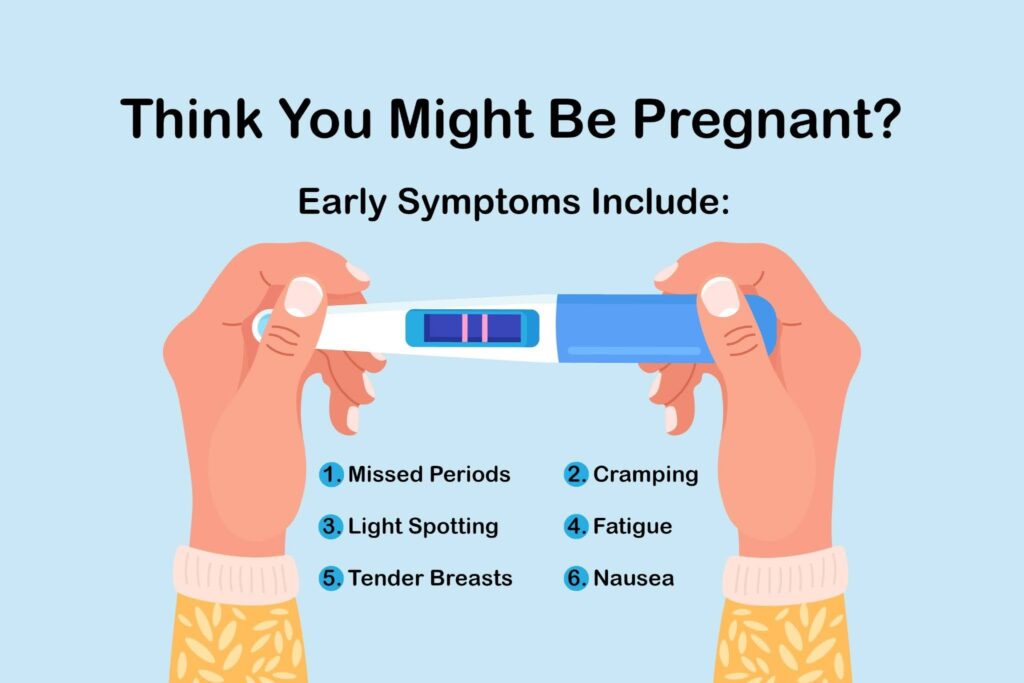
Early symptoms, although different from person to person, have some that often happen more frequently. It’s possible that the most common early signs of pregnancy apply to you, but every pregnancy experience is unique, so you may experience them to a lesser degree or in addition to others. Common early pregnancy symptoms include:
- Missed periods: Because some women regularly face an irregular menstrual cycle, missed periods don’t always mean pregnancy for these individuals. However, after the first week, if instead of a normal menstrual cycle you have very light bleeding, light spotting, or no bleeding at all (called implantation bleeding), this can indicate pregnancy.
- Cramping/Bloating: Some may experience symptoms similar to those that they go through during their period, such as cramping and/or bloating. Pregnancy can cause some hormone changes early on, which then lead to bloating or constipation. This is because those same pregnancy hormones slow your digestive system.
- Fatigue: Another early sign of pregnancy is fatigue. The changes that hormones can cause in your body often lead to fatigue. This is why pregnant women can have fatigue as a pregnancy symptom early on, even before a positive pregnancy test.
These common early symptoms are some of most agreed upon, according to organizations such as John Hopkins. As they also mention, though, most symptoms appear later on. So, this can make pregnancy difficult to catch without a test until later in the term. And again, because everyone is different, these symptoms will vary from mother to mother.
Later Common Symptoms
After the first week is when many of the symptoms that you hear about become more common. Some of these later symptoms include:
- Swollen and/or Tender Breasts: Around weeks 4-6, the common pregnancy symptom of swollen breasts and/or tender breasts becomes more frequent. This is due to hormonal changes that continue throughout pregnancy, in this case leading to breast tenderness during the first 10 weeks of pregnancy.
- Morning Sickness: Many women also experience morning sickness, or nausea, during the 4th or 6th week of pregnancy. It can also happen after 1 to 2 months. Some women are lucky and never experience it at all. Or, you may have only nausea but no vomiting. If it does happen, however, the name can be deceiving, as morning sickness can occur any time of day. Just be aware that extreme morning sickness such as severe vomiting or nausea can be signs of other complications. So, make sure to seek medical attention if necessary.
Having a Healthy Pregnancy
In order to have a healthy pregnancy, it’s best to know when pregnancy symptoms start and get help when you need it. From the first missed period and positive home pregnancy test to the start of the third trimester and beyond, Alternatives Care Centers help mothers every step of the way as their pregnancy progresses. Whether you need to confirm your pregnancy with us, are dealing with pregnancy-related concerns, or simply want a resource to offer support as you need it, we’re here to help. Give us a call today!